TL;DR

Get emergency and outdoor gear delivered free with Prime
- Fast, free delivery on millions of items
- Prime Video, Amazon Music and more included
- Member-only deals all year
An Oct. 29 guide from Outdoor Life outlines five common archery mistakes: poor grip, relying on autopilot, skipping bow-tune checks, pressing the string into the face and trying to muscle the bow steady. It recommends a deliberate shot process, periodic equipment checks and practice on a large target when adjusting form or setup.
A bowhunting guide published by Outdoor Life on Oct. 29 identifies five common shooting and equipment mistakes that can undermine accuracy during bow season, recommending changes to grip, shot routine, bow maintenance and aiming technique. The advice matters to hunters preparing for field shots, where pressure and equipment changes can expose problems that may not show up in routine practice.
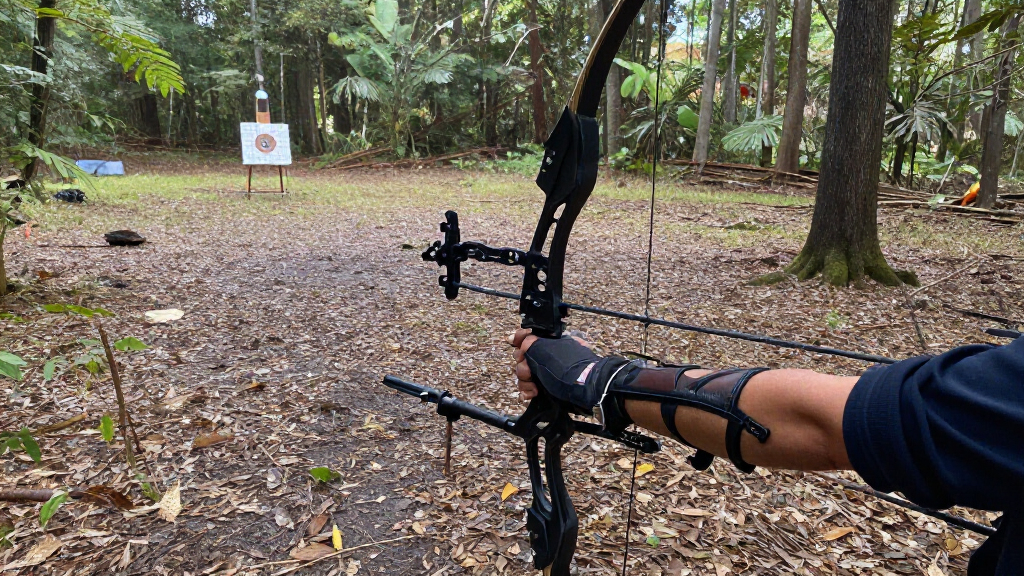
According to the Outdoor Life guide, an inconsistent bow grip can introduce torque and make accuracy and tuning less consistent. The article recommends placing the hand high on the grip, angling the knuckles about 45 degrees to the riser and limiting contact to the area between the thumb pad and the hand’s lifeline. The string may touch the face, the guide adds, but pressing the face or nose into it can contribute to left-and-right inconsistency.
The guide identifies relying on autopilot under pressure as another problem. It describes errors such as choosing the wrong sight pin, failing to look through the peep sight or releasing as soon as the pin nears the intended target area. It recommends using a deliberate, repeatable shot process: list the steps and work through them one by one, focusing on execution rather than rushing toward the release.
The article also warns that a bow’s setup can change with use. It recommends checking the sight and drop-away rest timing about monthly, shooting through paper to assess tune and confirming that broadheads are in tune. For aiming, the guide advises against trying to force the pin to remain motionless: a slow, consistent float is presented as a better goal, supported by sound form and a suitable setup rather than muscle.
Bow Season Field Guide · Outdoor Life · Oct. 29, 2026
How To Avoid Common Archery Mistakes This Bow Season
Five preventable errors can undermine accuracy when pressure rises. Build a repeatable shot process, check your setup regularly and give form changes time to settle before hunting.
01 / Recognize the pattern
Five errors behind missed consistency
The guide presents these as common issues for newer and experienced bowhunters, not as a research-based ranking.
Torquing the bow
An inconsistent grip can affect accuracy and tuning. Keep contact relaxed and consistent.
Going on autopilot
Rushing can mean a wrong sight pin, a missed peep check or an early release.
Assuming the bow stays in tune
Use can shift setup. Check sight settings, rest timing, paper tune and broadhead tune.
Pressing into the string
Light face contact may help anchor; pushing the face or nose into the string can add inconsistency.
Muscling the pin still
Trying to force a motionless pin can work against a steady, controlled shot.
Repeatable beats rushed
Focus on executing each step, then allow the release to follow naturally.
02 / Build a reliable shot
Make the process visible
List your shot steps and follow them in order. The point is to execute well, rather than hurry toward release.
Set the grip
Outdoor Life recommends placing the hand high on the grip, angling the knuckles about 45° to the riser and limiting contact to the area between the thumb pad and the hand’s lifeline.
- 1Set your grip and anchor with a comfortable, repeatable touch.
- 2Look through the peep and confirm the correct sight pin.
- 3Let the pin float slowly and consistently around the aiming point.
- 4Stay focused on execution; avoid forcing the bow steady with muscle.
03 / Check the setup
Verify before field pressure
Familiar settings can change with use. Regular checks can help spot preventable problems before a hunt.
The guide suggests checking sight and rest timing about once a month. That interval may not suit every bow or situation; recheck after significant changes or if performance shifts.
04 / Adjust with care
Give changes room to settle
Form or setup changes can temporarily affect accuracy while you adapt. Start with a comfortable, repeatable shot.
Practice on a large target
After changing form or equipment, use a large target and allow time to adjust before judging accuracy. The guide does not prescribe a training schedule or target distance. Beginners may benefit from a qualified archery coach; introduce changes progressively, scale practice to experience, and stop if pain develops.
05 / Quick answers
Before you head out
Use these reminders as a starting point, then account for your own equipment and conditions.
What are the five mistakes?
Inconsistent grip, autopilot shooting, assuming the bow stays in tune, pressing the string into the face and trying to muscle the bow steady.
Should the pin be motionless?
No. Aim for a slow, consistent float around the target rather than forcing the pin to stop moving.
How often should setup be checked?
The guide suggests about monthly for sight and rest timing, plus paper and broadhead tune checks. It is not a universal schedule.
What after a form or equipment change?
Practice on a large target and allow time to adapt. A qualified coach can help beginners assess form and equipment.
Source: Outdoor Life · General guidance; no quantified accuracy results or universal schedule provided.
Reducing Errors Under Field Pressure
These mistakes matter because field conditions differ from relaxed practice, the Outdoor Life guide says. A rushed shot routine can lead to skipped checks, while a changed sight or rest can make familiar settings unreliable. The guide’s recommendations address both sides of the problem: build a controlled process for each shot and verify that the equipment still performs as expected.
The advice is practical rather than a report of measured results. The guide does not provide accuracy data or establish how often any one mistake causes a missed opportunity. Its central point is that repeatable form and regular checks can help hunters identify preventable problems before relying on their equipment in the field.
Popular right now

De'Longhi Rivelia Fully Automatic Espresso Machine with Milk Frother, White

TCL 65-Inch T7 Series 4K QLED Smart Google TV, 144Hz (65T7)

Philips Café Aromis Automatic Espresso Machine with LatteGo Pro Milk System
As an affiliate, we earn on qualifying purchases.
Five Errors Behind the Advice
The Outdoor Life article is written from the perspective of an experienced bow user who says they have spent 20 years shooting, competing and hunting with different bows, from selfbows to compound bows. The writer also says they learned from coaches, Olympians and other archers. The guide presents the five errors as issues that can affect both newer and experienced bowhunters, rather than as a ranking based on formal research.
Its final practice tip addresses the adjustment period after a change to shooting form or bow setup. Accuracy may worsen temporarily as a shooter adapts, the article says. It recommends using a large target during that period and prioritizing a comfortable, repeatable shot before judging results. The guide does not specify a training schedule or a target distance.
Limits of the Advice
The Outdoor Life guide’s recommendations are general guidance; the article does not provide test results, quantify the effect of each mistake or establish a universal schedule for every bow and archer. Bow setup and appropriate form can vary, and the advice does not replace hands-on instruction. It is also unclear how much time a shooter may need to adapt after changing technique or equipment.
The guide does not address every factor that can affect a hunting shot, including conditions in the field or individual equipment differences. Hunters should not assume that a monthly check alone will identify every problem, particularly after a significant adjustment or if performance changes.
Practice and Check Before Hunting
Hunters can put the Outdoor Life guidance into practice by reviewing grip and anchor, following the same shot steps on each repetition, and checking sight settings and rest timing regularly. After a form or equipment change, the article recommends shooting at a large target while allowing time to adjust before placing emphasis on accuracy.
For beginners, a qualified archery coach can help assess form and equipment safely. Changes should be introduced progressively, with practice scaled to the archer’s experience; stop if pain develops and seek appropriate professional advice. The guide does not announce a follow-up test or additional reporting, so its next practical step for readers is to check their own setup and practice before taking a shot in the field.
Source: Outdoor Life
Key Questions
What are the five archery mistakes in the guide?
The Outdoor Life guide lists inconsistent grip, relying on autopilot, assuming the bow remains in tune, pressing the string into the face and trying to muscle the bow steady.
How often does the guide recommend checking bow setup?
It suggests checking the sight and rest timing about once a month, shooting through paper and checking broadhead tune. The article does not say this interval suits every bow or situation.
Should the sight pin stay completely still while aiming?
No. The guide says to expect a slow, consistent float around the aiming point rather than trying to force the pin to stop moving.
What should an archer do after changing form or equipment?
The guide recommends practicing on a large target and allowing time to adapt before judging accuracy. Beginners may benefit from help from a qualified archery coach.
Source: outdoorlife.com