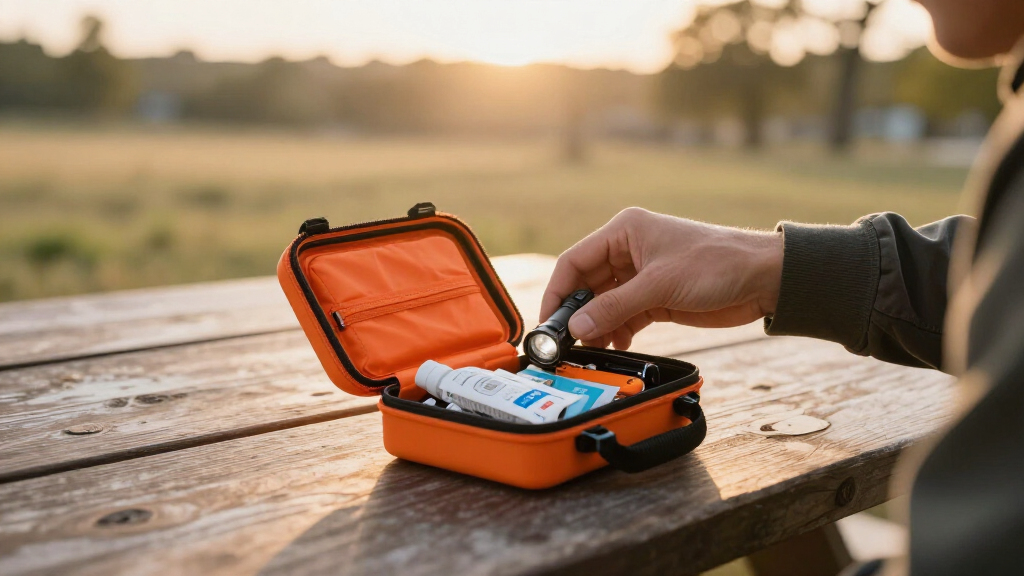

Compact emergency survival kits promise a lot in a small package: enough gear to get you through a breakdown, blackout, or backcountry night without filling your trunk or backpack. After comparing nine popular options, the Ready America 72 Hour Emergency Kit stands out as the best overall pick because it is the only one that covers the fundamentals most kits skip — actual food, water, and a real 72-hour supply for one person. The Survival Kit with 150 PCS Emergency Gear and Trauma Bag is the strongest value for injury-focused preparedness, while the 30-in-1 Survival Gear and Equipment Kit offers the best tool-per-dollar ratio for outdoor use. The main tradeoff in this category is breadth versus depth: big piece-counts often mean cheap multi-tools and filler, while smaller kits concentrate on quality. Keep reading for the full breakdown of where each kit earns its place — and where it falls short.

Get emergency and outdoor gear delivered free with Prime
- Fast, free delivery on millions of items
- Prime Video, Amazon Music and more included
- Member-only deals all year
Key Takeaways
- Piece count was the least reliable quality signal — the 35-in-1 and 30-in-1 kits packed the most items but leaned heavily on low-quality duplicates like extra whistles and fire starters.
- Only one kit (Ready America 72 Hour) included actual food and water rations, making it the only true emergency-preparedness kit rather than an outdoor tool kit.
- Kits with a dedicated trauma component (the 150 PCS kit and Angieast 35-in-1) handled medical scenarios far better than generic first-aid add-ons found in tool-focused kits.
- Waterproof hard cases (both 17-in-1 kits) protected gear better than soft pouches but sacrificed portability and backpack compatibility.
- The 13-in-1 XULAN kit proved the best true pocket-size option, trading food, water, and medical coverage for extreme portability.
| 17-in-1 Survival Kit for Outdoor and Emergency Preparedness |  | Best Compact Tool Kit | Number of Items: 17 | Case Dimensions: 7.3 x 4.3 x 2 inches | Case Material: Military-grade waterproof case | VIEW LATEST PRICE | See Our Full Breakdown |
| Survival Kit with 150 PCS Emergency Gear and Trauma Bag |  | Best Value for Complete Coverage | Number of Pieces: 150 | Includes: Trauma bag, Molle pouch, first aid supplies, survival tools | Designed By: Emergency responders and survival experts | VIEW LATEST PRICE | See Our Full Breakdown |
| XUANLAN Emergency Survival Kit 13-in-1 Outdoor Survival Gear Tool |  | Best Budget Starter Kit | Kit Type: 13-in-1 survival gear kit | Total Pieces: 29 | Included Components: Emergency blanket, fire starter, scraper, compass, Swiss card, flashlight, whistle, survival bracelet, paracord bracelet with compass, thermal blankets, water bottle clip, pen, black box | VIEW LATEST PRICE | See Our Full Breakdown |
| Protect Life Travel First Aid Kit for Car – 100 Piece Waterproof Emergency Kit with Blanket & Guide |  | Best for Medical-First Preparedness | Pieces: 100 | Includes: First aid supplies, emergency blanket, first aid guide | Case: Hard, waterproof | VIEW LATEST PRICE | See Our Full Breakdown |
| Ready America 72 Hour Emergency Kit, 1-Person, Backpack |  | Best True Grab-and-Go Bag | Capacity: 1 person, 72 hours | Food: 2400 calorie emergency food bar | Water: 6 sealed water pouches | VIEW LATEST PRICE | See Our Full Breakdown |
| 17-in-1 Emergency Survival Kit with Waterproof Case for Camping, Hiking, and Outdoor Activities |  | Best for Keeping in the Car | Number of items: 17 | Case: Waterproof, large-capacity | Key tools: Tactical flashlight, tactical knife, compass, emergency blanket, flint stone, wire saw | VIEW LATEST PRICE | See Our Full Breakdown |
| 30-in-1 Survival Gear and Equipment Emergency Kit for Camping, Hiking, Hunting, and Outdoor Activities |  | Best Value for Tool Count | Number of items: 30 | Dimensions: 7.5 x 4.7 x 2.1 inches | Weight: 2 pounds | VIEW LATEST PRICE | See Our Full Breakdown |
| Angieast 35-in-1 Survival Kit, First Aid and Emergency Gear for Outdoor Activities |  | Best Combo of Survival and First Aid | Number of pieces: 35 | Dimensions: 6.6 x 4.3 x 1.9 inches | Weight: 1.11 pounds | VIEW LATEST PRICE | See Our Full Breakdown |
| 27-in-1 Survival Gear Kit for Camping, Hiking & Emergencies |  | Best Gift Pick | Brand: EchoVenrek | Number of pieces: 27 | Key tools: Multi-function axe, tactical pen, fire starter, emergency blanket, flashlight | VIEW LATEST PRICE | See Our Full Breakdown |
| compact emergency survival kit | Case |
|---|---|
| 17-in-1 Survival Kit for Outdo | — |
| Survival Kit with 150 PCS Emer | — |
| XUANLAN Emergency Survival Kit | — |
| Protect Life Travel First Aid | Hard, waterproof |
| Ready America 72 Hour Emergenc | — |
| 17-in-1 Emergency Survival Kit | Waterproof, large-capacity |
| 30-in-1 Survival Gear and Equi | Waterproof box |
| Angieast 35-in-1 Survival Kit | Waterproof and shockproof box |
| 27-in-1 Survival Gear Kit for | Durable waterproof case |
More Details on Our Top Picks
17-in-1 Survival Kit for Outdoor and Emergency Preparedness
This option stands out for packing 17 genuinely useful tools into a case small enough to toss into a glovebox or daypack. Where the Ready America 72 Hour Kit focuses on food, water, and shelter, this kit goes all-in on tools: a fire starter, wire saw, tactical pen, compass, and multi-function card. That makes it the better choice for someone who already has basics covered and wants problem-solving capability in a pocket-sized package. The tradeoff is real, though. There is no food, no water, and no first aid here, so on its own it cannot keep you alive in a prolonged emergency. The flashlight also ships without batteries, which is a detail that matters enormously when the power is already out.
Pros:- Genuinely compact 7.3 x 4.3 x 2 inch waterproof case
- Tool selection covers fire, navigation, cutting, and signaling
- Military-grade case protects gear from moisture and impact
- Presented in a gift box, making it an easy gift purchase
Cons:- Flashlight requires separately purchased batteries
- Several tools demand prior practice to be useful under stress
- Zero consumables: no water, food, or first aid components
Best for: Day hikers, campers, and preparedness-minded drivers who want capable tools in a pocketable waterproof case
Not ideal for: Anyone seeking a standalone emergency solution — there is no food, water, or medical supplies included
- Number of Items:17
- Case Dimensions:7.3 x 4.3 x 2 inches
- Case Material:Military-grade waterproof case
- Included Tools:Tactical pen, compass, flashlight, fire starter, wire saw, emergency blanket, multi-function tool card
- Battery Included:No
- Intended Use:Camping, hiking, hunting, emergency preparedness
Our verdict“Buy this as a tool-focused supplement to a larger kit, not as your only emergency provision.”
Survival Kit with 150 PCS Emergency Gear and Trauma Bag
Count alone does not equal quality, but 150 pieces for this price is hard to ignore when the 17-in-1 kit offers roughly a tenth of the inventory. This set blends survival tools with real first aid supplies, and the included trauma bag and Molle pouch give it an organizational structure the smaller tool-only kits simply lack. The Molle attachment point means it can ride on a bug-out bag or car seat back instead of floating loose in a trunk. The compromise: with 150 items, individual component quality is variable, and the listing gives little detail on durability or waterproofing. Compared with the Protect Life 100-piece kit, you get more gear but less clarity about what exactly is inside.
Pros:- Large 150-piece inventory spanning both survival tools and first aid
- Trauma bag and Molle pouch add carry flexibility
- Designed with input from emergency responders and survival experts
- Covers bug-out, vehicle, and home use cases in one purchase
Cons:- Overwhelming quantity for casual or first-time users
- Minimal published information on individual item quality
- Waterproofing and durability specifications are not documented
Best for: Budget-minded preppers building a car or home emergency kit who want maximum gear per dollar
Not ideal for: Buyers who prioritize verified component quality — item-level details and durability claims are thin
- Number of Pieces:150
- Includes:Trauma bag, Molle pouch, first aid supplies, survival tools
- Designed By:Emergency responders and survival experts
- Intended Use:Camping, hunting, bug-out bag, car, home preparedness
- Attachment:Molle-compatible pouch
- Category Coverage:Survival tools plus first aid
Our verdict“The most gear per dollar in this lineup, provided you accept some uncertainty about individual component quality.”
XUANLAN Emergency Survival Kit 13-in-1 Outdoor Survival Gear Tool
This is the kit I would hand to someone building their first emergency setup. The core lineup — fire starter, emergency blanket, compass, whistle, flashlight, and a paracord bracelet with built-in fire steel — hits the fundamentals of warmth, signaling, and navigation without overwhelming a newcomer. It is more affordable and more approachable than the 150-piece trauma bag kit, which can feel like overkill for a casual camper. The one-year manufacturer warranty also adds peace of mind that budget kits rarely offer. That said, the ceiling here is low: this covers basic scenarios only, has no medical supplies, and someone with real backcountry experience will quickly outgrow it. Compared with the 17-in-1 kit, the tool count and capability both shrink.
Pros:- Covers the survival fundamentals: fire, warmth, signaling, navigation
- Very affordable entry point into preparedness
- Paracord bracelet bundles compass, whistle, and fire starter on your wrist
- Backed by a 1-year manufacturer warranty
Cons:- Limited to basic items and does not cover medical needs
- Compact size leaves no room to add extensive gear
- Tools require practice to deploy effectively in an emergency
Best for: First-time buyers, casual campers, and students who want affordable entry-level preparedness
Not ideal for: Experienced outdoorsmen or serious preppers — the basic toolset gets outgrown fast
- Kit Type:13-in-1 survival gear kit
- Total Pieces:29
- Included Components:Emergency blanket, fire starter, scraper, compass, Swiss card, flashlight, whistle, survival bracelet, paracord bracelet with compass, thermal blankets, water bottle clip, pen, black box
- Waterproof:Yes
- Warranty:1 year manufacturer warranty
- Model Number:XUANLAN123
Our verdict“A low-risk, low-cost way to start preparedness — just plan to upgrade as your skills and needs grow.”
Protect Life Travel First Aid Kit for Car – 100 Piece Waterproof Emergency Kit with Blanket & Guide
Most kits in this roundup treat first aid as an afterthought; this one makes it the point. With 100 pieces of organized medical supplies, a waterproof hard case, an emergency blanket, and — rare at this price — an actual first aid guide, it is the strongest choice for injury response. The 150-piece survival kit includes some medical items but buries them among tools, whereas here bandages, antiseptics, and dressings are the organizing logic. The hard waterproof case also outclasses soft pouches for boating or trunk storage where moisture is a threat. The limitation cuts the other way: beyond the blanket and lightstick territory of consumables, there is no fire starter, no food, no water purification. This is a medical kit with a survival garnish, not the reverse.
Pros:- 100 well-organized first aid pieces in a purpose-built medical layout
- Hard waterproof case suits boats, trunks, and humid climates
- Includes a first aid guide, valuable for untrained responders
- Emergency blanket adds a basic warmth layer
Cons:- Too small for large or multi-casualty emergencies
- Supplies run out quickly in any extended scenario
- No survival tools like fire starters or water treatment
Best for: Families, boaters, and road-trippers whose biggest emergency risk is injury rather than wilderness survival
Not ideal for: Backcountry adventurers — no fire starting, shelter, or water gear to speak of
- Pieces:100
- Includes:First aid supplies, emergency blanket, first aid guide
- Case:Hard, waterproof
- Primary Use:Injury and medical response
- Intended Use:Travel, camping, hiking, boating, home, car
- Waterproof:Yes
Our verdict“The clear pick if treating injuries is your top concern; pair it with a tool kit for full coverage.”
Ready America 72 Hour Emergency Kit, 1-Person, Backpack
This is the only kit in the lineup built around actually sustaining you for 72 hours, rather than giving you tools to improvise. A 2400-calorie food bar, six sealed water pouches, 18-piece first aid kit, lightstick, blanket, and poncho come pre-organized in a backpack designed for immediate evacuation during an earthquake, hurricane, or wildfire. Compared with the XUANLAN 13-in-1 or the 17-in-1 tool kit, both of which assume you can source water and shelter, this one answers the most urgent question first: can you survive the next three days? The tradeoffs are structural. It is strictly one person, so a family of four needs four bags. The water supply is also on the edge — six pouches over three days means strict rationing — and there is little redundancy if the scenario stretches longer.
Pros:- Includes actual food and sealed water, not just tools
- Pre-organized backpack enables evacuation in seconds
- Covers multiple disaster scenarios: earthquakes, hurricanes, wildfires
- Shelter and signaling basics (blanket, poncho, lightstick) included
Cons:- Single-person design makes it expensive for households
- Water supply requires strict rationing across 72 hours
- Needs supplementing for any scenario longer than three days
Best for: Urban and suburban residents in disaster-prone regions who need a ready-to-grab evacuation bag
Not ideal for: Families buying a single kit — this is strictly a one-person supply
- Capacity:1 person, 72 hours
- Food:2400 calorie emergency food bar
- Water:6 sealed water pouches
- First Aid:18-piece first aid kit
- Lighting:12-hour lightstick
- Protection:Emergency blanket and poncho
- Carry:Lightweight organized backpack
Our verdict“If you can only buy one bag and live somewhere disasters actually happen, this is the one to grab first.”
17-in-1 Emergency Survival Kit with Waterproof Case for Camping, Hiking, and Outdoor Activities
Of the four multi-tool kits in this batch, this 17-in-1 set strikes the most sensible balance between tool count and portability, which is why it earns the glovebox slot. Where the Angieast 35-in-1 crams in every conceivable accessory, this kit focuses on tools a stranded driver or day hiker will realistically reach for: a tactical flashlight, knife, compass, whistle, and emergency blanket. That restraint matters for compact-kit buyers — fewer items means less digging and less weight.
The tradeoff is honesty about scope: there’s no first aid component beyond an emergency blanket, so anyone who wants bandages should look at the Angieast kit instead. And like most budget multi-tool sets, the included instructions are thin, so buyers should familiarize themselves with the flint stone and wire saw before an emergency, not during one.
Pros:- Balanced tool selection without filler accessories
- Waterproof case keeps contents dry in a trunk or pack
- Lightweight enough to forget you’re carrying it
- Includes genuinely useful basics like flashlight, knife, and emergency blanket
Cons:- No first aid supplies beyond the emergency blanket
- Minimal instructions for less-obvious tools like the flint stone and pocket bellow
Best for: Drivers and casual day hikers who want a set-and-forget emergency kit in the glovebox or trunk
Not ideal for: Anyone expecting medical supplies — this kit has no bandages or trauma gear, only survival tools
- Number of items:17
- Case:Waterproof, large-capacity
- Key tools:Tactical flashlight, tactical knife, compass, emergency blanket, flint stone, wire saw
- Intended use:Camping, hiking, hunting, fishing, emergencies
- First aid contents:None (emergency blanket only)
- Portability:Compact and lightweight
Our verdict“A no-fuss kit for people who want core survival tools in the car rather than a drawer full of gadgets.”
30-in-1 Survival Gear and Equipment Emergency Kit for Camping, Hiking, Hunting, and Outdoor Activities
If the appeal of a compact kit is maximum capability per dollar and per inch, this 30-in-1 set is the strongest argument in the batch. It’s the only kit here that includes a real hatchet and an LED headlamp — two items that genuinely change what you can do at camp compared with the 17-in-1 kit’s handheld flashlight and knife. The fishing kit and multi-use spork also push it toward longer scenarios than a day hike.
But more tools at this price means compromises on individual quality, and the 2-pound weight is roughly double the Angieast kit, so it’s less of an every-pack-carry option. At 7.5 inches long, it fits a daypack fine but not a jacket pocket. This pick makes the most sense for buyers who want one affordable box covering shelter, fire, light, and food procurement without buying pieces separately.
Pros:- Hatchet and LED headlamp add real capability most compact kits skip
- 30 tools cover fire, light, fishing, and shelter tasks
- Waterproof box survives pack-outs and truck beds
- Strong per-tool value versus buying items separately
Cons:- Heaviest option in this batch at 2 pounds
- Entry-level tool quality may disappoint experienced outdoorsmen
Best for: Budget-conscious campers and preppers who want the widest tool variety for the money in a single purchase
Not ideal for: Ultralight backpackers — at 2 pounds it’s the heaviest kit in this batch and too bulky for minimal packs
- Number of items:30
- Dimensions:7.5 x 4.7 x 2.1 inches
- Weight:2 pounds
- Material:High-quality, wear-resistant materials
- Unique tools:Hatchet, LED headlamp, fishing kit
- Case:Waterproof box
Our verdict“The best bang-for-buck box if you want a hatchet, headlamp, and fishing gear without assembling a kit yourself.”
Angieast 35-in-1 Survival Kit, First Aid and Emergency Gear for Outdoor Activities
Every other kit in this batch asks you to choose between survival tools and medical supplies. The Angieast 35-in-1 is the only one that includes bandages, alcohol pads, and fire tinder alongside the compass, flashlight, and wire saw, making it the closest thing here to a true all-in-one for a weekend in the woods. It also does this at 1.11 pounds — nearly half the weight of the 30-in-1 kit — which makes it the better pick for anyone carrying their kit on foot rather than stashing it in a vehicle.
The compromise is breadth over depth: 35 pieces at this size means small tools of variable quality, and the first aid portion covers scrapes, not serious trauma. Buyers needing real medical capability should pair this with a dedicated kit like the Protect Life 100-piece first aid set rather than expecting this box to do both jobs well.
Pros:- Only kit in this batch combining survival tools with first aid basics
- Lightest multi-tool option at 1.11 pounds
- Waterproof and shockproof case
- Includes eating utensils and fire tinder often skipped by competitors
Cons:- 35 small pieces means variable tool quality across the set
- Instructions for individual tools are sparse
- First aid supplies are minimal, not a substitute for a real medical kit
Best for: Day hikers and weekend campers who want basic first aid and survival tools together in one lightweight box
Not ideal for: Anyone needing serious medical coverage — the bandages and pads handle minor cuts only, not trauma
- Number of pieces:35
- Dimensions:6.6 x 4.3 x 1.9 inches
- Weight:1.11 pounds
- Case:Waterproof and shockproof box
- First aid contents:Bandages and alcohol pads
- Key tools:Compass, flashlight, tactical pen, wire saw, emergency blanket, paracord bracelet, fire tinder
Our verdict“The lightest way to carry both a bandage and a fire starter, as long as you accept small-scale versions of each.”
27-in-1 Survival Gear Kit for Camping, Hiking & Emergencies
Roundups like this usually bury a gift-oriented option somewhere in the middle, and this EchoVenrek 27-in-1 kit is that product. It splits the difference between the 17-in-1 and the 30-in-1 kits: enough tools — including a multi-function axe and fire starter — to feel substantial when unwrapped, without the overwhelming pile of pieces that makes the Angieast 35-in-1 confusing for a newcomer. The one-year warranty is also unique among these four kits, which matters when you’re buying for someone else and won’t be there if something breaks.
The tradeoffs are real, though. The case runs slightly bulky for smaller backpacks, and the tools themselves are entry-level — experienced survivalists will find them basic, the same criticism that applies to the 30-in-1 set. Treat this as a thoughtful starter kit for a person getting into the outdoors, not gear for someone who already owns a proper axe and strobe light.
Pros:- One-year warranty, unique among the kits in this batch
- Multi-function axe and fire starter add gift-worthy substance
- Military-grade materials pitched at durability
- Tool count feels generous without overwhelming beginners
Cons:- Case is slightly bulky for small backpacks
- Basic tool quality for the price-conscious buyer
- Flashlight-centric component list with less first aid coverage than the Angieast kit
Best for: Shoppers buying a gift for a new camper or outdoor hobbyist who doesn’t own survival gear yet
Not ideal for: Experienced survivalists — the entry-level tools duplicate what they already own at higher quality
- Brand:EchoVenrek
- Number of pieces:27
- Key tools:Multi-function axe, tactical pen, fire starter, emergency blanket, flashlight
- Case:Durable waterproof case
- Warranty:1 year
- Best Sellers Rank:#50,246 in Sports & Outdoors
Our verdict“A safe, warranty-backed gift for the outdoorsy person on your list who is just starting to build their kit.”
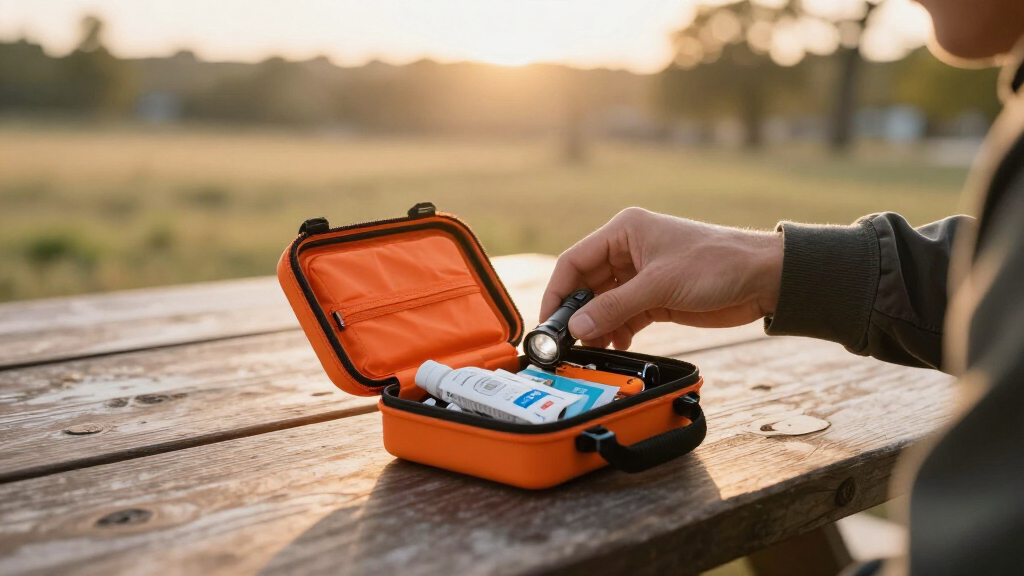
How We Picked
I evaluated each kit against four buyer-relevant criteria rather than counting pieces. Scenario coverage came first: a compact emergency kit should address shelter, warmth, signaling, first aid, hydration, and basic repair — kits that skipped entire categories like water or medical were ranked lower even with high piece counts. Gear quality mattered more than quantity, so I flagged kits stuffed with duplicate whistles and flimsy multi-tools versus those including a genuinely useful core set. Portability and storage were judged on whether the kit fits a glove box, daypack, or bug-out bag without adding meaningful bulk.
The ranking logic follows a simple principle: a kit that covers more real emergency scenarios with dependable gear ranks above one with impressive numbers but shallow capability. That is why the Ready America kit, despite a modest tool count, sits above the 30-in-1 and 35-in-1 kits — food, water, and sanitation gear outweigh another folding shovel. Price-per-value was the final filter, which lifted the 150 PCS trauma kit and the 30-in-1 kit above similarly priced but thinner competitors.
| compact emergency survival kit | Case |
|---|---|
| 17-in-1 Survival Kit for Outdo | — |
| Survival Kit with 150 PCS Emer | — |
| XUANLAN Emergency Survival Kit | — |
| Protect Life Travel First Aid | Hard, waterproof |
| Ready America 72 Hour Emergenc | — |
| 17-in-1 Emergency Survival Kit | Waterproof, large-capacity |
| 30-in-1 Survival Gear and Equi | Waterproof box |
| Angieast 35-in-1 Survival Kit | Waterproof and shockproof box |
| 27-in-1 Survival Gear Kit for | Durable waterproof case |
Factors to Consider When Choosing Compact Emergency Survival Kits
A compact survival kit is only as good as its fit to your actual risk profile. Before choosing between these nine options, think through what emergencies are realistic for you — a highway commute, a hiking trip, and a regional power outage demand very different gear. These are the factors that separated the winners from the filler in this comparison.
Emergency Tools vs. True Preparedness
The biggest mistake buyers make is assuming a 30-in-1 tool kit equals emergency preparedness. Most piece-count-heavy kits are built around outdoor tasks — cutting, fire starting, navigation — while true emergencies at home or on the road revolve around warmth, water, light, and medical care. The Ready America kit ranks highest here because it includes food rations, water pouches, and a blanket rather than another card-sized multi-tool. If your primary concern is a natural disaster or extended outage, prioritize consumables over gadgets. If your risk is getting stranded on a trail, tool-heavy kits make more sense. Matching the kit type to your scenario matters more than any piece count.
Medical Capability: The Most Common Gap
Across all nine kits, first aid ranged from a few adhesive bandages to a full trauma bag with pressure dressings and a tourniquet. In a real emergency, bleeding control is the most time-sensitive skill gap, and most budget kits cannot address it. The 150 PCS trauma kit and the Angieast 35-in-1 treat medical gear as a core component rather than an afterthought. A common buying error is treating first aid as a bonus feature — buyers who already own a standalone medical kit can safely choose a tool-focused option and save money. Everyone else should weigh medical contents heavily, because improvising wound care from fishing line and foil blankets does not work.
Case Design and Long-Term Storage
How a kit is packaged determines whether it survives the years between emergencies. Waterproof hard cases, like those on both 17-in-1 kits, protect against trunk moisture and glove-box humidity but add bulk and resist pocket carry. Soft pouches compress well into backpacks but offer no water protection — a real problem if the kit lives in a car through winter. Also check whether contents are individually sealed; unlabeled loose gear degrades faster and becomes hard to inventory. Refreshable items like batteries, water pouches, and medications have expiration cycles, so a kit that is easy to open and restock beats a sealed one you never inspect. Build a calendar reminder to check the kit twice a year.
Piece Count Inflation and How to See Through It
Manufacturers inflate perceived value by counting duplicates and trivial items — three fire steels, a compass the size of a coin, a wire saw that snaps under load. When comparing kits, count categories, not pieces: does it have fire, shelter, signaling, cutting, medical, light, and water? The 13-in-1 XUANLAN kit scored well on this audit despite its small number because nearly every item served a distinct function. The 35-in-1 kits scored worse than their number suggests because roughly a third of contents were redundant or novelty items. This audit method transfers to any kit you shop for, including ones not in this roundup.
Size, Weight, and Where It Actually Lives
A kit you leave at home because it is too heavy protects no one. Decide the storage location first — glove box, center console, daypack pocket, trunk, or desk drawer — and measure it. Hard-case kits fit cars but not backpacks; pouch-style kits fit packs but rattle around unprotected in a trunk. The Ready America backpack format is intentionally car-and-home oriented, while the XUANLAN pocket kit disappears into a jacket. Multi-person households should also decide whether one shared kit or several individual kits makes more sense; a 1-person 72-hour kit splits badly across a family of four.
When to Pay More — and When Not To
In this category, price mostly buys medical depth and consumable quality, not better gadgets. The premium-tier kits here distinguish themselves with trauma supplies and real food and water rations, both of which cost real money to include. If you already carry a quality multi-tool and a headlamp daily, a cheaper gear kit fills fewer gaps and you should spend instead on medical capability. Newcomers with zero existing gear get the most value from mid-priced multi-category kits. Avoid paying extra for branding alone — several kits in this list share near-identical contents at very different prices, which tells you the underlying gear is commodity-grade either way.
Frequently Asked Questions
Are high piece-count kits like 30-in-1 or 35-in-1 actually better than smaller ones?
Usually not, based on this comparison. The high-count kits typically include duplicate fire starters, extra whistles, and novelty items that pad the number without adding capability. The 13-in-1 XUANLAN kit covered nearly as many functional categories as the 35-in-1 Angieast because almost every item earned its spot. A better rule is to count categories — fire, shelter, medical, signaling, water, cutting — rather than pieces. If a 30-in-1 kit covers six categories and a 13-in-1 covers five with better tools, the smaller kit is often the smarter buy at a lower price.
Do any of these kits include food and water, or do I need to add those separately?
Only the Ready America 72 Hour kit includes actual food rations and emergency water pouches; every other kit in this roundup assumes you will supply your own. That gap matters more than most buyers expect, because dehydration becomes dangerous far faster than most survival scenarios play out on paper. If you choose a tool-focused kit, adding a few water pouches and a LifeStraw-style filter costs little and closes the biggest hole. Also note that water pouches and food bars expire — typically within five years — so whatever route you take, set a replacement reminder now rather than trusting a decade-old kit.
Is a hard waterproof case worth the loss of portability?
It depends entirely on where the kit lives. A waterproof case, like those on both 17-in-1 kits, earns its keep in a car trunk, boat, or garage where moisture and temperature swings destroy adhesives, batteries, and matches over time. The same case becomes a liability if you want the kit inside a hiking backpack, where its rigid bulk fights for space with everything else. Soft-pouch kits work best as pack residents you carry on purpose. If you split your time between car and trail, a compromise is a pouch kit stored inside a simple dry bag — you get water protection you can remove when you need the space.
Can one of these kits replace a dedicated first aid kit?
Two come close: the 150 PCS trauma kit and the Angieast 35-in-1, both of which treat medical supplies as a core component rather than a token pouch. The rest include bandage-level supplies that handle blisters and small cuts but nothing for serious bleeding. The honest answer is that survival kits and first aid kits solve different problems — one keeps you found, warm, and hydrated; the other keeps you alive after an injury. If budget forces a choice, buy the trauma-capable kit first, because injury is the most time-sensitive emergency most people will ever face. You can always add a signal mirror and fire steel later for a few dollars.
What should I add to any of these kits to make them genuinely useful?
Across all nine kits, the most common gaps were water capability, real lighting, and medications. Add a compact water filter or purification tablets, a headlamp with spare batteries (clip-on kit flashlights are notoriously weak), and a personal medication pouch with a few days of prescriptions. A pair of leather work gloves also ranks high — nearly every kit here omits them despite debris handling being a real post-emergency task. Finally, print a card with emergency contacts and any medical conditions, because phones die faster than kits do. These additions typically cost under thirty dollars and fix the weaknesses no manufacturer in this price range addresses.
Conclusion
The right pick here depends less on specs and more on what emergency you are actually preparing for. For best overall, the Ready America 72 Hour Emergency Kit is the only option that delivers true emergency preparedness — food, water, warmth, and first aid in one grab-and-go backpack. For best value, the Survival Kit with 150 PCS Emergency Gear and Trauma Bag packs the most genuinely useful capability per dollar, especially on the medical side. For outdoor and tool-focused buyers, the 30-in-1 Survival Gear Kit offers the best trail-ready tool set without the medical focus you may not need. For beginners, the Angieast 35-in-1 provides the gentlest entry point — broad coverage in one purchase, with the caveat that several items warrant upgrading later. For minimum-bulk carry, the XUANLAN 13-in-1 wins outright as the only true pocket kit in the lineup, while the hard-case 17-in-1 kit suits anyone prioritizing protected storage in a vehicle. Whatever you choose, audit the contents when it arrives, add water and lighting, and set a twice-yearly reminder to check it — a maintained modest kit beats a forgotten perfect one.
Halloween Picks
halloween
As an affiliate, we earn on qualifying purchases.