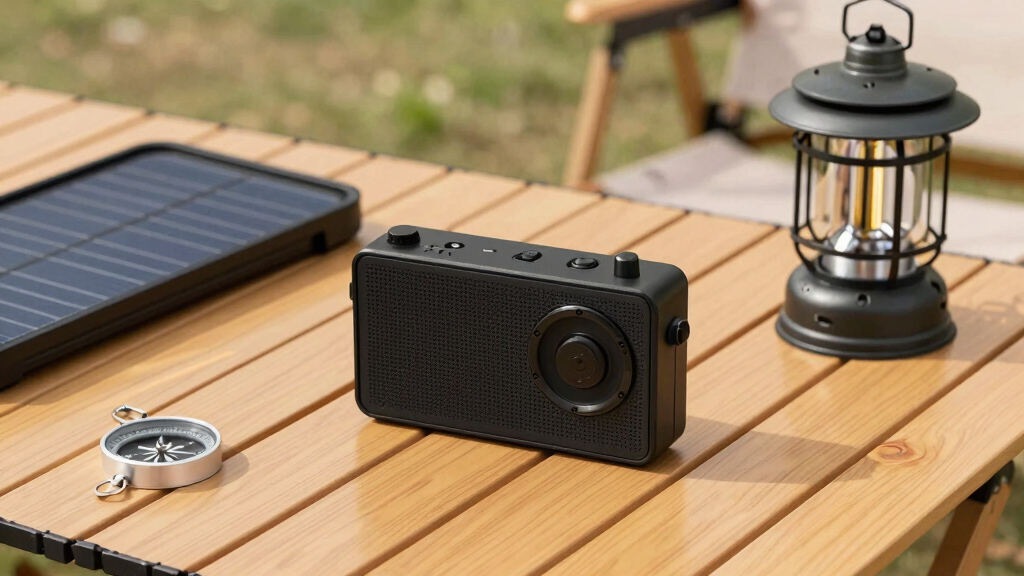

When it comes to preparedness, a solar-powered emergency radio offers vital access to weather alerts, news, and communication during power outages or disasters. The best models combine solar charging with additional power sources like hand cranks or rechargeable batteries, ensuring you stay connected no matter what. However, these radios vary widely in features, durability, and price, making it tricky to choose the right one. The key tradeoffs often involve balancing power capacity, usability, and cost. Continue reading for a detailed breakdown of the top options and what makes each stand out.
Key Takeaways
- The most reliable emergency radios feature multiple power sources, with solar charging as a core component.
- Higher capacity batteries typically mean longer usage times but often come with increased weight and size.
- Models with NOAA weather alerts are essential for safety, but some radios also include features like flashlight and USB charging to enhance versatility.
- Durability and weather resistance vary; rugged designs are better suited for outdoor use, while others focus on portability.
- Pricing ranges widely, with premium models offering extra features and build quality, but excellent budget options exist that still meet essential needs.


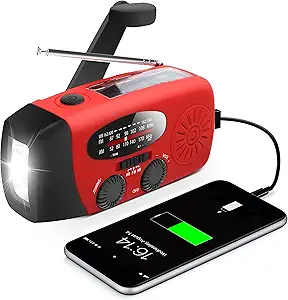


| solar-powered emergency radio | Battery Capacity |
|---|---|
| Leaton Hand Crank Emergency Ra | 10000mAh |
| Kaito KA500 5-Way Powered Emer | — |
| QAUYYW 74000mWh Emergency Radi | 74,000mWh |
| Emergency Weather Radio with S | 12000mAh |
| Solar Emergency Radio with 120 | 12000mAh |
| RunningSnail Emergency Hand Cr | 2000mAh |
| Raynic Weather Radio with NOAA | 5000mAh |
| Raynic Emergency Radio with NO | 5000mAh |
| Emgykit Hand Crank Radio with | 2000mAh |
| FosPower NOAA Emergency Weathe | — |
| Emergency Crank Weather Radio | 14800mWh (4000mAh) |
| Emergency Hand Crank Solar Rad | 37000mWh |
| Hand Crank Emergency Radio wit | 7400mWh (2000mAh) |
| Midland ER310 Emergency Crank | — |
| Emergency Weather Radio with L | — |
More Details on Our Top Picks
Leaton Hand Crank Emergency Radio with NOAA Weather, AM/FM, 10000mAh Power Bank, Solar, Flashlight, SOS Alarm, and Compass
This rugged model excels in outdoor scenarios with its waterproof design, multiple power options, and comprehensive features. Its 10000mAh battery, combined with solar and hand crank, ensures prolonged use, surpassing simpler radios like the RunningSnail, which offers less capacity. While it lacks S.A.M.E. technology for automated weather alerts, its NOAA alerts, flashlight, and SOS alarm make it a dependable choice for camping and storm prep. Its manual tuning for alerts might be less convenient than digital alerts, but the rugged build and versatile power sources compensate well.
Pros:- Reliable NOAA weather alerts and AM/FM reception
- Multiple backup power sources including solar and hand crank
- Waterproof and rugged design suitable for outdoor use
- Integrated flashlight, reading lamp, and SOS alarm
Cons:- No S.A.M.E. technology for automated weather alerts
- USB-C output provides only 5V/1A, not fast charging for phones
- Manual tuning required for weather alerts
Best for: Outdoor enthusiasts and campers who need a reliable, all-in-one emergency radio with backup power options.
Not ideal for: Urban dwellers seeking a compact, lightweight device for daily use, as its rugged size and manual tuning could be inconvenient.
- Battery Capacity:10000mAh
- Dimensions:6.3 x 3.5 x 3.1 inches
- Weight:1.1 lbs
- Waterproof Rating:IPX6
- Charging Input:USB-C 2A
- Output:USB-C 5V/1A
Our verdict“This radio is ideal for outdoor lovers needing durable, multi-source emergency power and alerts.”
Kaito KA500 5-Way Powered Emergency Radio with Flashlight and Cellphone Charger
The Kaito KA500 stands out for its multiple power sources, including batteries, solar, hand crank, and AC/DC, making it highly adaptable in varied emergencies. Its broad radio coverage, including shortwave and NOAA channels, matches the capabilities of the QAUYYW but offers a more traditional design with a telescopic antenna for better reception. It also provides a built-in cellphone charger, which is a significant advantage over models like the Emergency Weather Radio, which lack this feature. However, the device’s bulkiness and the need for separate purchase of the wall adapter mean less portability and added cost.
Pros:- Multiple reliable power sources including solar, batteries, and AC/DC
- Extensive radio coverage including NOAA, AM, FM, and shortwave
- Built-in cellphone charger and S.O.S. beacon for emergency communication
- Telescopic antenna enhances reception
Cons:- Batteries are not included, requiring additional purchase
- Bulkier design reduces portability
- Requires separate purchase of wall power adapter for AC/DC
Best for: Preppers and outdoor users who value multiple charging options and comprehensive radio coverage, including shortwave.
Not ideal for: Minimalists or those seeking lightweight, compact radios for quick portability, as it is relatively bulky and requires additional accessories.
- Power Sources:Hand crank, solar, 3 AA batteries (not included), 5V USB, 5V AC/DC
- Radio Bands:AM, FM, shortwave, NOAA
- Battery:Built-in NiMH rechargeable
- Additional Features:LED flashlight, reading lamp, S.O.S., telescopic antenna
Our verdict“This model suits those needing versatile, multi-source emergency radio with phone charging, especially outdoors or in prep scenarios.”
QAUYYW 74000mWh Emergency Radio with NOAA Weather, Portable Hand Crank SW/AM/FM Survival Radio with Fast Charge Rechargeable Solar Battery, Flashlight, Reading Lamp, SOS Siren
Compared with other high-capacity options like the Solar Emergency Radio, the QAUYYW’s impressive 74,000mWh battery makes it suitable for prolonged power outages or outdoor adventures. Its waterproof, durable design and multiple charging modes—solar, hand crank, USB—ensure continuous operation. While it requires manual tuning to receive NOAA alerts and may be slightly bulky for some users, its large battery and safety features like SOS siren and LED flashlight make it a compelling choice for extended emergencies. It’s less suited for quick trips due to its size, but ideal for sustained outdoor or home use.
Pros:- Massive 74,000mWh battery for extended operation
- Multiple charging options including solar, hand crank, and USB
- IPX6 waterproof and durable construction
- Includes NOAA alerts, SOS alarm, and flashlight
Cons:- Requires manual tuning for NOAA alerts
- Bulky size limits portability
- Some users may need clearer instructions for features
Best for: Preppers or outdoor explorers needing long-lasting power and durability in emergency situations.
Not ideal for: Individuals seeking a lightweight, compact emergency radio for casual use or frequent mobility.
- Battery Capacity:74,000mWh
- Battery:20,000mAh rechargeable
- Charging Modes:USB Type-C, hand crank, solar
- Waterproof:IPX6
- Antenna Length:52 cm
- Output Power:3W flashlight, 3.5W reading lamp
Our verdict“This radio excels for long-term outdoor or home emergency preparedness with its huge battery capacity and rugged build.”
Emergency Weather Radio with Solar & Hand Crank Power Bank
This model offers a balanced mix of features with its 12,000mAh capacity, NOAA alerts, and multi-band reception. Its solar panel and hand crank ensure power independence, while the 5W flashlight and SOS alarm add safety. Compared to the smaller Emergency Weather Radio, its larger battery and water resistance make it more suitable for storm-prone areas or outdoor use. However, it’s somewhat bulky and requires manual tuning to access NOAA broadcasts, which could slow response times during emergencies. It’s best for users prioritizing reliability and water resistance over ultra-portability.
Pros:- Multiple power sources including solar, hand crank, and USB
- Clear NOAA alerts and multi-band reception
- Water-resistant design suitable for outdoor conditions
- Bright flashlight and SOS alarm included
Cons:- Requires manual tuning for NOAA broadcasts
- Heavy and bulky for pocket portability
- Limited to emergency use, not for everyday listening
Best for: Storm watchers and outdoor adventurers who need a dependable, water-resistant emergency radio with ample power.
Not ideal for: Urban users looking for a lightweight, compact device for daily use or quick emergencies, as it is somewhat bulky and less portable.
- Battery Capacity:12000mAh
- Solar Panel:8500mm²
- Speaker Size:57mm
- Flashlight Power:5W
- Water Resistance:IPX6
Our verdict“This radio is well-suited for storm preparedness and outdoor survival where water resistance and reliable power are priorities.”
Solar Emergency Radio with 12000mAh Power Bank, NOAA Weather, AM/FM, Hand Crank, Solar Charging, LED Flashlight, Cell Phone Charger, SOS
This radio combines high-capacity power with multiple charging options, including solar, hand crank, and USB, making it highly suitable for outdoor trips and extended outages. Its 12000mAh capacity rivals the Emergency Weather Radio but adds the convenience of dual USB outputs for charging multiple devices simultaneously. The bright LED flashlight and soft reading light enhance usability in dark environments. While its size is a bit bulky for casual carrying and initial full charging is recommended, its reliable NOAA reception and multiple power options make it a solid choice for outdoor enthusiasts and emergency prep.
Pros:- High 12000mAh battery for long-lasting power
- Multiple charging options including solar, hand crank, and USB
- Bright LED flashlight and soft reading light
- Dual USB ports for charging multiple devices
Cons:- No specific weight data provided, potential portability concerns
- Requires initial full charge for best performance
- Size may be bulky for quick grab-and-go situations
Best for: Hikers, campers, and outdoor lovers needing a robust, multi-charging emergency radio with device charging capability.
Not ideal for: Urban users seeking a compact device for daily use, as its size and weight may limit portability.
- Battery Capacity:12000mAh
- Solar Panel Size:8500mm²
- Dimensions:6.8 x 2.9 x 4.7 inches
- Lighting:LED flashlight with 2 brightness levels
- Power Outputs:2 USB ports
Our verdict“This device is ideal for outdoor users needing a durable, multi-power emergency radio with device charging capabilities.”
RunningSnail Emergency Hand Crank Radio with LED Flashlight, NOAA Weather Radio, 2000mAh Power Bank, USB Charging & Solar Power for Camping & Emergency
This model excels in providing reliable emergency power from multiple sources, making it a strong choice for those who prioritize portability. Its 2000mAh power bank can charge phones in a pinch, though recharging via solar is slow, limiting extended use without mains or cranking. Compared to larger units like the Raynic with 5000mAh capacity, the RunningSnail is more lightweight and easier to carry but sacrifices longer device operation. The hand crank can be effortful, and solar charging should be considered a backup rather than primary. It’s ideal for casual campers or prepper kits that value size and simplicity over extended power capacity.
Pros:- Multiple power sources for reliable operation
- Compact and lightweight for portability
- Built-in 2000mAh power bank for quick device charging
- Includes LED flashlight for darkness visibility
Cons:- Slow solar charging limits its usefulness in prolonged outages
- Limited battery capacity for extended use without recharging
- Hand crank may require significant effort for frequent use
Best for: Hikers, campers, or preppers who need a lightweight, portable emergency radio with basic charging capability.
Not ideal for: Users needing prolonged device charging or heavy-duty power backup for multiple devices, due to limited battery capacity.
- Battery Capacity:2000mAh
- Dimensions:5 x 1.8 x 2.4 inches
- Weight:0.5 lbs
- Power Sources:Hand Crank, Solar Panel, Built-in Rechargeable Battery
Our verdict“This pick suits those seeking a small, simple emergency radio with basic power and lighting features, but not for extended power needs.”
Raynic Weather Radio with NOAA Weather Alerts, 5000mAh Emergency Hand Crank Radio with Flashlight, Reading Lamp, Cell Phone Charger, SOS Siren, and Compass
The Raynic offers a more robust feature set than many competitors, including a sizable 5000mAh battery for longer device operation and a range of power options like AC, USB, solar, and hand crank. Its NOAA alerts and SOS alarm enhance safety, while the built-in flashlight, reading lamp, and compass make it versatile for outdoor activities. Compared with the RunningSnail, it provides longer power backup but is slightly heavier and less portable. Its water resistance rating of IPX3 makes it suitable for light rain but not heavy downpour. This radio is best for outdoor enthusiasts who need a comprehensive emergency tool that balances power with convenience.
Pros:- High-capacity 5000mAh battery for extended use
- Multiple charging options including AC and USB
- Built-in NOAA alerts, SOS alarm, and compass for safety
- Includes flashlight and reading lamp for illumination
Cons:- Requires manual tuning to receive NOAA alerts
- Limited water resistance (IPX3) may not withstand heavy rain
- Moderate weight could impact portability for some users
Best for: Outdoor adventurers or preppers seeking a durable and feature-rich emergency radio for extended outdoor use.
Not ideal for: Casual users or those who prioritize ultra-lightweight gear, since it is somewhat bulkier and heavier.
- Battery Capacity:5000mAh
- Dimensions:7.5 x 3.5 x 4.7 inches
- Weight:1.2 lbs
- Waterproof Rating:IPX3
Our verdict“Ideal for outdoor users who want a feature-packed emergency radio with reliable power and safety tools, but less suited for ultra-light hiking scenarios.”
Raynic Emergency Radio with NOAA Weather Alerts, Solar Hand Crank, AM/FM/SW, Cell Phone Charger, Flashlight, SOS Siren
This model stands out for its large HD LCD display, making tuning and monitoring battery levels straightforward. It provides multiple charging options, including solar, hand crank, USB, and even AAA batteries, enhancing its versatility in various scenarios. Its water resistance (IPX3) and compact size make it suitable for outdoor activities and emergency use. Compared with the smaller RunningSnail, the Raynic offers more features but at a slightly larger size. Its 5000mAh capacity supports longer device charging, although it still may fall short during extended outages. This radio is perfect for those who want detailed control and multiple power options in a portable package.
Pros:- Large HD LCD display for easy tuning and status checks
- Multiple charging options including solar, USB, and AAA batteries
- Water-resistant (IPX3) design for outdoor durability
- Built-in flashlight, SOS alarm, and NOAA alerts
Cons:- Requires 3 AAA batteries (not included), adding to cost and bulk
- Larger size compared to more compact models
- Limited water resistance for heavy rain
Best for: Outdoor enthusiasts and preppers who value a larger display and detailed tuning with multiple charging methods.
Not ideal for: Minimalists or ultralight hikers who prefer small, simple devices with fewer features.
- Battery Capacity:5000mAh
- Dimensions:6.8×3.7×2.9 inches
- Weight:1.2 lbs
- Water Resistance:IPX3
Our verdict“This device serves those who want detailed control and multiple charging options in a portable, feature-rich emergency radio, but it’s less suitable for ultralight travel.”
Emgykit Hand Crank Radio with AM/FM/NOAA Weather Band, 3 LED Flashlights, SOS Function, Solar Powered, Hand Cranked, 2000mAh Charger, for Power Outage – Red
The Emgykit stands out for its compact size and bright 140-lumen LED flashlight, making it ideal for quick deployment in tight spaces or car kits. Its 2000mAh battery offers sufficient power for small device charging and emergency lighting, though it’s less suited for extended outages compared to higher-capacity models like the Raynic or FosPower. Its multiple power sources—including solar, hand crank, and USB-C—add flexibility, but manual effort for cranking can be tiring during prolonged use. It’s best for users who need a lightweight, all-in-one emergency device for short-term preparedness or vehicle emergencies.
Pros:- Small, portable, and easy to handle
- Bright LED flashlight and SOS alarm for safety
- Multiple power sources including solar and USB-C
- AM/FM/NOAA weather bands provide reliable alerts
Cons:- Limited 2000mAh capacity for device charging
- Manual crank can be tiring for extended use
- No water resistance rating specified
Best for: Car owners, short-term preppers, or those needing a lightweight backup radio with bright lighting and SOS features.
Not ideal for: Users expecting extended device charging or long-term power backup, due to limited battery capacity.
- Battery Capacity:2000mAh
- Dimensions:5.1 x 2.1 x 2.4 inches
- Weight:0.51 lbs
- Light Output:140 lumens
Our verdict“This device fits those who need a compact, bright emergency radio with basic power and safety features for short-term use or vehicle preparedness.”
FosPower NOAA Emergency Weather Radio A1 with Power Bank, AM/FM, Solar, Hand Crank, SOS Alarm & Flashlight – Orange
The FosPower A1 combines a sizable 7400mWh power bank with essential emergency features, making it suitable for those who want a reliable device capable of charging multiple small gadgets. Its multiple power sources—solar, hand crank, and AAA batteries—offer versatility, although the capacity is modest compared to larger units like the Raynic. The inclusion of LED lights and a flashlight enhances its emergency readiness. It lacks waterproof ratings, which may limit outdoor durability, but for general preparedness, it offers solid value. Compared with smaller models, it provides longer device charge times, though it’s less portable than ultralight options.
Pros:- Reliable 7400mWh power bank for device charging
- Multiple charging options including solar and hand crank
- Built-in flashlight and LED lights for illumination
- Receives NOAA weather alerts for timely updates
Cons:- Limited battery capacity for charging multiple devices long-term
- No water resistance rating specified
- Requires manual effort for crank charging
Best for: Preppers and casual outdoor users who want a dependable power bank combined with NOAA alerts and lighting for moderate emergencies.
Not ideal for: Users needing high-capacity charging or heavy outdoor use in severe weather, due to limited water resistance and capacity.
- Power Bank Capacity:7400mWh
- Dimensions:7.5 x 3.5 x 4.7 inches
- Weight:1.2 lbs
- Radio Frequencies:AM/FM
Our verdict“This device offers a good balance of power backup and safety features for moderate emergencies, but may not satisfy those needing extended power or outdoor durability.”
Emergency Crank Weather Radio with 14800mWh Battery, AM/FM/NOAA Weather, Flashlight, Reading Lamp, Cell Phone Charger, SOS
This model stands out for its exceptionally large 14800mWh battery, offering extended use during prolonged emergencies, especially compared to smaller-capacity options like the Midland ER310. Its multiple charging options, including solar, hand crank, and micro USB, ensure continuous operation regardless of circumstances, making it a dependable choice for those who value flexibility. The NOAA weather alerts keep users informed of severe conditions, and the bright flashlight plus motion sensor reading lamp add practical safety features. However, its bulky design may challenge portability, and manual crank operation can be tiring during extended use. Compared with the lightweight and compact alternatives, this radio favors home or vehicle use over backpacking. Ideal for households or emergency kits where size is less critical than functionality and battery life.
Pros:- Massive 14800mWh rechargeable battery for long-lasting power
- Multiple charging modes including solar, hand crank, and USB
- Includes NOAA weather alerts for safety
Cons:- Bulky form factor reduces portability
- Requires manual effort for crank charging, which can be tiring
Best for: Families or individuals seeking a durable, feature-rich emergency radio with long-lasting power and multiple charging options.
Not ideal for: Hikers or campers needing a lightweight, compact device for outdoor portability, as its size may be cumbersome.
- Battery Capacity:14800mWh (4000mAh)
- Charging Modes:Micro USB, Solar, Hand Crank
- Flashlight:3-mode super-bright flashlight
- Reading Lamp:Motion sensor controlled
- Radio Bands:AM, FM, NOAA Weather
- External Antenna:Yes
Our verdict“This radio is best suited for home or vehicle use where size and weight are less critical than extended, reliable power and safety features.”
Emergency Hand Crank Solar Radio with 37000mWh Battery, NOAA Weather Alerts, Flashlight, Thermal Blanket, and Survival Paracord Bracelet
This device excels for outdoor adventurers and preppers needing a high-capacity 37000mWh battery combined with survival tools, surpassing smaller radios like the Hand Crank Emergency Radio. Its multiple charging options—hand crank, solar, and internal lithium-ion battery—offer reliability in remote situations, while NOAA weather alerts keep you updated. The inclusion of a thermal blanket, paracord bracelet, and essential survival tools makes it a comprehensive kit for outdoor survival and disaster preparedness. Its heavier weight and complex features can be drawbacks for casual users or those seeking lightweight equipment. Unlike more basic models, this radio prioritizes versatility and survival readiness, which can involve a learning curve. Perfect for outdoor enthusiasts or emergency kits where comprehensive survival features are essential.
Pros:- High-capacity 37000mWh battery ensures long operation
- Multiple charging options including solar, hand crank, and internal battery
- Includes survival tools like thermal blanket, paracord, and emergency whistle
Cons:- Heavy and bulky for portable use
- Complex features may require familiarity to operate effectively
Best for: Outdoor adventurers, hunters, or preppers who want a multi-tool emergency device with long battery life and survival gear.
Not ideal for: Lightweight backpackers or casual users seeking a simple, compact emergency radio, due to its weight and complexity.
- Battery Capacity:37000mWh
- Charging Methods:Hand crank, solar panel, lithium-ion battery
- Weather Bands:7 NOAA channels
- Flashlight:Super-bright LED
- Additional Tools:Thermal blanket, paracord
- Tools Included:Compass, blade, emergency whistle, magnesium fire rod
Our verdict“This radio is tailored for outdoor survival scenarios and preparedness, offering extensive features at the expense of portability.”
Hand Crank Emergency Radio with 7400mWh Battery, Solar, and 3 Charging Cables
This model offers a balanced mix of portability and power, with a 7400mWh battery that’s suitable for quick emergency charges, unlike larger models like the 37000mWh device. Its inclusion of solar, hand crank, and USB-C charging makes it highly adaptable for various situations, especially when quick device charging is needed. The NOAA weather broadcasts and SOS alarm provide essential safety features. However, the heavier weight and multiple features can be overwhelming for users seeking simplicity, and battery life might fluctuate with frequent use of lights or alarms. Its versatility makes it an excellent choice for everyday preparedness, though it may be less ideal for those prioritizing ultra-lightweight gear. Best suited for users who want a reliable, multi-source charging radio that’s still manageable in size.
Pros:- Multiple charging options including solar, hand crank, and USB-C
- Built-in cables for quick device charging
- Reliable NOAA weather broadcasts and SOS alarm
Cons:- Heavier compared to basic models
- Complex features might be overwhelming for some users
Best for: Preppers or outdoor enthusiasts needing a versatile, multi-charging emergency radio for everyday use and short-term emergencies.
Not ideal for: Minimalists or ultra-light hikers who prefer simple, lightweight radios without many features.
- Battery Capacity:7400mWh (2000mAh)
- Charging Cables:Lightning, USB-C, Micro USB
- Power Sources:USB-C, hand crank, solar panel, AAA batteries
- Weather Radio:NOAA, AM/FM
- Lighting:3 modes, 6 LED reading lights
- Includes:Lanyard
Our verdict“This device is ideal for users who want a multi-charging, feature-rich emergency radio without excessive bulk.”
Midland ER310 Emergency Crank Weather AM/FM Radio with NOAA Alert, SOS Flashlight, Ultrasonic Dog Whistle, and USB Charging
The Midland ER310 is a dependable choice for those who appreciate multiple power options—solar, hand crank, rechargeable battery, and AA batteries—offering up to 32 hours of operation. Its NOAA weather alerts and SOS flashlight provide essential safety features. The ultrasonic dog whistle adds a unique rescue tool, setting it apart from simpler radios like the Raynic. Nonetheless, needing AA batteries (not included) can be inconvenient, and its bulk may deter portable use. Compared with more advanced models with larger batteries, the ER310 strikes a balance between power sources and weight. This makes it suitable for home use or car emergency kits rather than ultralight outdoor activities. Best for users who want versatility and multi-power options in a durable, reliable device.
Pros:- Multiple power sources including solar, hand crank, rechargeable battery, and AA batteries
- Includes NOAA weather alerts and SOS flashlight
- Ultrasonic dog whistle for rescue signaling
Cons:- Requires AA batteries (not included), adding inconvenience
- Bulky form factor may hinder portability
Best for: Preppers, vehicle kits, or home users needing a dependable multi-source emergency radio with additional safety features.
Not ideal for: Lightweight backpackers or solo campers seeking minimal gear, due to its bulk and battery requirements.
- Power Sources:Solar, hand crank, rechargeable 2600mAh, 6 AA batteries
- Flashlight Brightness:130 Lumens
- Battery Life:Up to 32 hours
- Weather Scan:7 channels with alert
- Additional Features:Ultrasonic dog whistle
Our verdict“This radio offers robust multi-power options and safety features, best suited for stationary use or vehicle preparedness.”
Emergency Weather Radio with Large Solar Panel, Hand Crank, 12000mAh Battery, NOAA Alerts, LED Flashlight, Reading Lamp, SOS Alarm & Phone Charger
This model excels in durability and power, featuring a 12000mAh battery that can reliably charge devices during extended outages, making it suitable for camping or disaster scenarios. Its large solar panel and multiple charging options—solar, hand crank, USB—prioritize versatility, comparable to the 37000mWh model but with a slightly smaller battery. The waterproof IPX6 rating and rugged design make it a top choice for outdoor conditions. The integrated LED flashlight, reading lamp, and SOS alarm enhance safety in dark or emergency situations. Its size and weight, however, limit portability for backpackers or those seeking lightweight gear. Compared to smaller models, this unit favors durability over compactness. Ideal for outdoor enthusiasts or preppers who need a tough, high-capacity power bank and emergency radio combined.
Pros:- Large 12000mAh power bank for reliable device charging
- Multiple charging methods including solar, hand crank, and USB
- Rugged, waterproof design suitable for outdoor conditions
Cons:- Size and weight may be cumbersome for some users
- Battery performance varies with heavy use of lights and SOS features
Best for: Hikers, campers, or emergency preparedness kits requiring a durable, waterproof device with large power capacity.
Not ideal for: Ultralight travelers or minimalist users who prioritize portability over ruggedness.
Our verdict“This heavy-duty radio is best for outdoor use and disaster preparedness, where durability and capacity outweigh portability concerns.”
How We Picked
To determine the best solar-powered emergency radios, I evaluated each product based on several criteria: power capacity, versatility of charging options, build quality, ease of use, and additional features like NOAA weather alerts, flashlights, or USB ports. I prioritized models that offer reliable solar charging combined with alternative power sources such as hand cranks or rechargeable batteries, ensuring consistent performance during extended outages. Durability and user-friendly design also played a key role, as well as overall value considering price and included features. The rankings reflect a balance of these factors, highlighting options that excel in real-world emergency scenarios while considering different user needs and budgets.Factors to Consider When Choosing Solar-powered Emergency Radios
Choosing the right solar-powered emergency radio involves weighing several important factors. Beyond just solar charging, consider how the device fits your specific needs for power capacity, ease of use, and additional features that can enhance your safety and convenience during emergencies. Making an informed choice can prevent common pitfalls like overpaying for unnecessary features or selecting a model that lacks durability or adequate power. Here are key considerations to guide your decision.Power Capacity and Charging Options
A larger battery capacity means longer operation times, which is critical during extended emergencies. However, higher capacity models tend to be bulkier and heavier. Multiple charging options—solar, hand crank, USB, or AC—provide flexibility, especially when sunlight is scarce. Prioritize a radio that offers at least one reliable backup charging method to ensure continuous operation.
Durability and Weather Resistance
Depending on your intended use, durability may matter more than additional features. Rugged, water-resistant designs are ideal for outdoor activities or severe conditions. Look for certifications like IP ratings or reinforced casings. Keep in mind that highly durable models often come at a higher price point, but they can be well worth it for outdoor or survival scenarios.
Communication and Alert Features
NOAA weather alerts are a must-have for safety, providing timely warnings during storms or emergencies. Some radios also include features like SOS alarms, emergency flashing lights, or even two-way communication. Consider your specific needs—if you prioritize safety, a model with comprehensive alert systems is worth the extra investment.
Size, Portability, and Ease of Use
Portability is key if you need to carry the radio during outdoor activities or evacuations. Compact models with straightforward interfaces tend to be more user-friendly, especially in stressful situations. Conversely, larger units may pack more features and power but can be cumbersome to transport. Balance size with your anticipated use case to find a suitable model.
Price and Overall Value
While premium models offer advanced features and robust build quality, many budget-friendly options deliver core functions effectively. Be wary of overly cheap models that may lack durability or reliable power. Consider what features are essential for your needs and choose a model that offers the best mix of performance and value within your budget.
Frequently Asked Questions
How long can a solar-powered emergency radio operate without sunlight?
The operating time depends on the battery capacity and the usage level. Most models can run anywhere from several hours to multiple days on a full charge, especially if they include rechargeable batteries or power banks. During prolonged power outages, a model with a large battery and multiple charging options—like solar plus hand crank—can extend usability significantly. It’s wise to select a radio with a higher capacity if long-term reliability is a priority.
Is it better to choose a radio with a built-in flashlight or separate light source?
Radios with integrated flashlights offer convenience and save space, making them ideal for compact storage. However, separate or more powerful dedicated lights might provide brighter illumination or longer run times. Your choice should depend on your intended use—if space is limited, a combined unit is practical; for outdoor survival, a dedicated flashlight may be more reliable and brighter.
How important is NOAA weather alert functionality in a solar emergency radio?
NOAA weather alerts are essential for anyone relying on their radio for safety during severe weather or natural disasters. Radios with this feature will automatically notify you of emergencies, often with loud tones or verbal warnings. Without NOAA alerts, you risk missing critical updates, which can be dangerous. When safety is a priority, a model with comprehensive alert systems should be non-negotiable.
Can a solar-powered emergency radio also charge my phone?
Many models include USB ports or other charging options to power mobile devices, which can be a lifesaver during outages. The charging speed and capacity vary—some radios can fully recharge phones multiple times, while others provide only emergency boosts. Check the power bank capacity and charging features if device charging is a key requirement for your preparedness kit.
Are more expensive models worth the extra cost?
Higher-priced radios often offer larger batteries, more durable construction, and additional features like multiple charging methods, enhanced alert systems, or rugged waterproofing. If you live in an area prone to severe weather or plan to use the radio extensively outdoors, investing in a premium model can provide greater reliability and peace of mind. For casual or infrequent use, a well-chosen budget option may suffice.
Conclusion
For those seeking a reliable all-around device, the Midland ER310 stands out for its combination of durability, NOAA alerts, and USB charging, making it ideal for most users. If budget is a concern, the RunningSnail Emergency Hand Crank Radio offers solid performance with essential features at a lower price. For outdoor enthusiasts or preppers willing to invest more, the QAUYYW Emergency Radio provides extended battery life and multiple power options. Beginners should prioritize models with simple interfaces and essential features, while experienced users might look for rugged designs with extra versatility. Ultimately, your choice should align with your specific needs, environment, and budget, ensuring you’re prepared for any emergency.